
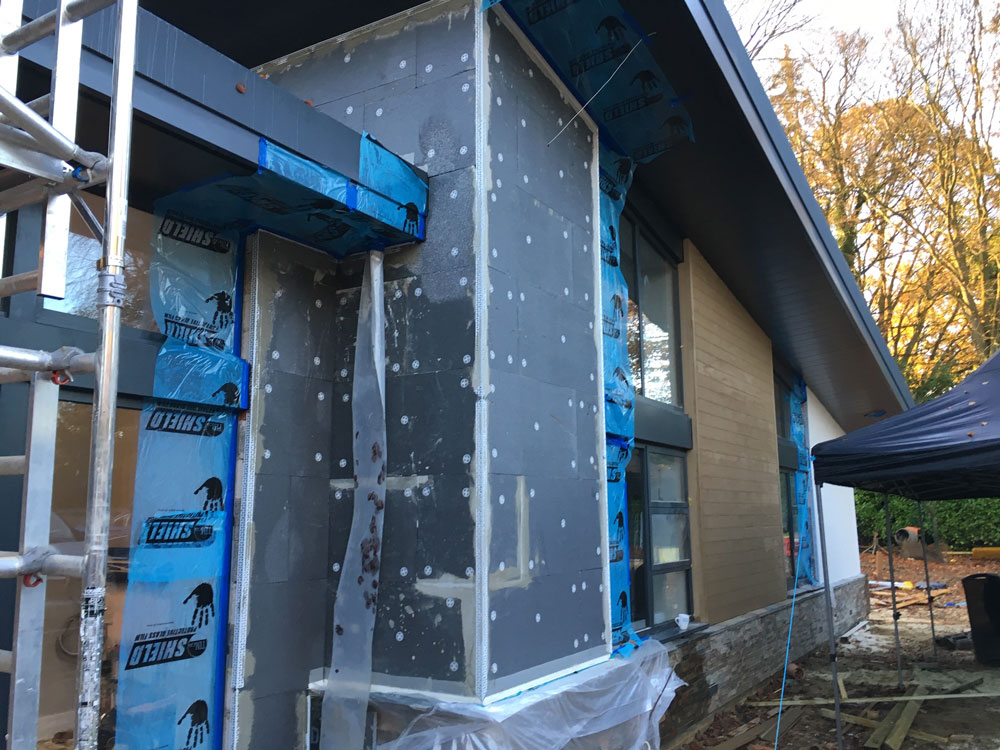
Signs Your External Wall Insulation Needs Repairing
Signs your external wall insulation needs repairing aren’t always obvious, especially early on, when a hairline crack or a bit of discolouration can look purely cosmetic. A National Audit Office report published in October 2025 found that 98% of homes fitted with external wall insulation through government schemes had defects serious enough to need remediation, so it’s worth knowing what to check, whether yours was fitted privately or through a scheme.
Fullers Plastering has over 20 years of experience with EWI systems across Sussex, the South East and London, so here’s what to look for.
Why this is worth checking now
The National Audit Office report examined homes insulated under the Energy Company Obligation (ECO4) and the Great British Insulation Scheme (GBIS) between 2022 and 2025 and found widespread issues, including poor installation standards, with only a small proportion of external wall jobs meeting the required standard. This is exactly why it pays to know the signs your external wall insulation needs repairing before a small crack turns into a bigger job.
The government’s response includes a “Find and Fix” audit programme run by TrustMark, which offers free assessments for homes insulated under these schemes and fixes any problems found at no cost to the homeowner. If your EWI was fitted through a government scheme in the last few years, it’s worth checking whether this audit covers your installer or postcode.
Privately funded installations aren’t part of this specific programme, but the same warning signs apply, and a poorly fitted system will show the same problems over time regardless of how it was paid for.
Signs your external wall insulation needs repairing
Cracking in the render
Hairline cracks in the first year after installation are common and usually just surface shrinkage. Cracks that widen, that run in straight lines at the joints between insulation boards, or that appear at the corners of windows and doors, are among the clearer signs your external wall insulation needs repairing.
These usually point to a problem with the reinforcing mesh underneath the render, movement in the boards themselves, or missing expansion joints on a larger wall. Once a crack opens up, it becomes a route for water to get behind the system.
Damp patches on internal walls
If damp patches appear on an internal wall shortly after rain, particularly on an elevation that takes the worst of the weather, water is likely getting in through the render or insulation from outside. This is different from condensation and tends to correlate with specific spots on the wall rather than appearing evenly across a room. Left unchecked, this can lead to mould growth and, in more serious cases, damage to the wall structure behind the insulation.
Hollow sounding or bulging render
Gently tapping the render with your knuckles should give a solid sound. A hollow sound, or render that has started to bulge or blister away from the surface, usually means the render has separated from the insulation board beneath it, often referred to as delamination. This is more serious than a surface crack, since it means a section of the system is no longer doing its job and moisture can build up behind it.
Green, black or mossy patches
Some algae or moss growth on a north-facing wall is normal and mostly cosmetic. Heavier or spreading growth is worth a second look, though, since it usually means that section of render is staying wet for longer than it should. Over time, that trapped moisture increases the risk of frost damage in winter.
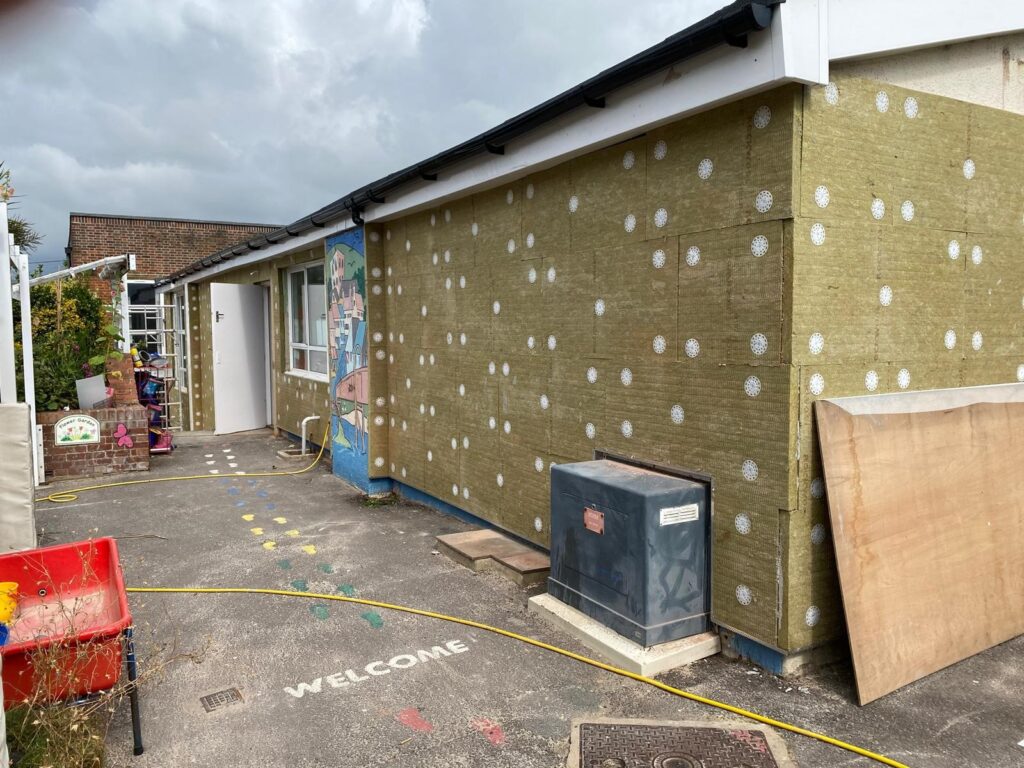
What to do if you spot these signs
None of these on their own mean the whole system has failed, but recognising the signs your external wall insulation needs repairing only helps if you act on it. A qualified installer can tell the difference between a superficial issue and one that needs remedial work, and catching a problem early is usually a smaller job than waiting until water has been getting in for a while.
Fullers Plastering is on the Krend and Weber approved applicators list for EWI systems and a member of INCA, the trade association for the external wall insulation industry.
The team’s experience with insulation system upgrades includes a high-rise refurbishment in Eastbourne, replacing an outdated external insulation system with a new fire-rated system as part of a government-funded safety project, work that went on to win an INCA Award in 2023 for “Refurbishment of a High Rise with Render/Traditional Finish.” That’s a larger-scale project than most homeowners will need, but it shows the same underlying capability: spotting a failing external system and replacing it with one that works as it should.
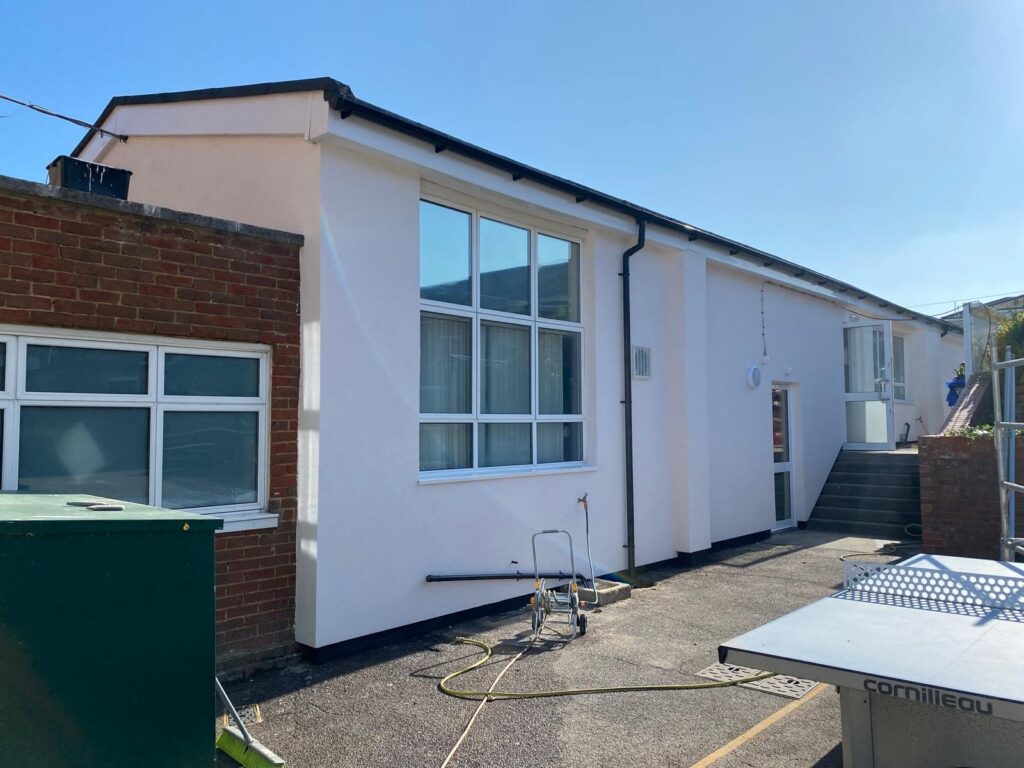
Get your external wall insulation assessed
Spotting the signs your external wall insulation needs repairing early usually means a smaller, less disruptive job than waiting until water has already worked its way in.
Fullers Plastering has over 20 years of experience with external wall insulation across Sussex, the South East and London, and is an approved applicator for Krend and Weber. To arrange an assessment, call Fullers Plastering on 01273 686368 or get in touch with the team.
Frequently Asked Questions
How long should external wall insulation last before it needs attention? A well-installed system typically carries a 25 to 30 year guarantee and can last considerably longer with the right materials and regular checks. If problems are showing up well within that window, that points to an installation issue rather than normal ageing.
How do I know if my external wall insulation was fitted through a government scheme? If you had insulation fitted under ECO4 or the Great British Insulation Scheme, this is usually arranged through your energy supplier rather than paid for directly, so it’s worth checking your records or contacting your supplier if you’re not sure.
Does it matter which company checks my external wall insulation if someone else installed it? No. Any accredited installer can assess an existing system, whoever originally fitted it. Having someone independent take a look, rather than going back to the original installer, often gives a more honest picture of the system’s condition.
Can external wall insulation be repaired without replacing the whole system? In many cases, yes. Localised cracking or render damage can often be repaired without removing the entire system. More extensive delamination or long-standing water damage may need a larger section reinstated, which is why an early assessment matters.