
How Long Does Plaster Take to Dry Before You Can Paint It?
Every homeowner reaches a moment during renovation when the freshly plastered walls look clean, smooth and ready for a transformation. The temptation to decorate straight away is understandable, but the timing matters more than many people realise. One of the most common questions clients ask Fullers Plastering is how long does plaster take to dry before you can paint it. The answer can be the difference between a flawless finish and one that peels or discolours within weeks.

Why Drying Time Matters
Fresh plaster naturally contains moisture and needs time to release it. Painting too early traps this moisture behind the paint and often causes problems that could have been avoided with a little patience. When people ask how long plaster takes to dry before you can paint it, they often expect one simple answer, but the truth is that drying time depends on the type of plaster used, the depth of the application and the environment in which it is drying.
Fullers Plastering has been carrying out internal plastering for more than twenty years across Brighton, London and the South East, and our teams understand exactly how different materials behave. Traditional lime plasters, for example, dry much more slowly than modern gypsum plasters and require experience and attention to detail throughout the process. It is one of the many reasons why working with an experienced family run business makes such a difference.
How Plaster Dries
When plaster is applied, it begins to dry from the edges first. You will notice the colour gradually shifting from a deeper, darker shade to a pale, consistent finish. This colour change is the clearest sign that the wall is ready for the next stage. Many homeowners look for fixed timings, but asking how long does plaster take to dry before you can paint it is less about the number of days and more about whether the plaster has completed its natural curing process.
In most homes, a skim coat will dry within three to five days, while a full float and set can take slightly longer. Larger rooms, colder conditions or areas with limited ventilation may extend the time needed. At Fullers Plastering, we always explain the expected drying time for each project at the start, so clients understand exactly when they can safely decorate.
The Influence of Ventilation and Temperature
Airflow helps plaster dry evenly, but it must be handled carefully. Plaster should never be forced to dry too quickly, as this leads to fine cracking and an uneven finish. Opening windows slightly can support a steady release of moisture. Heating should be used gently and consistently rather than suddenly turning a cold room into a hot one.
Fullers Plastering places great importance on advising clients about the conditions needed for their specific job. Our NVQ qualified dry lining and plastering teams work with everything from residential bedrooms to commercial spaces and heritage buildings, and each environment responds differently. By managing temperature and airflow correctly, you get stronger, longer lasting plaster that is genuinely ready for paint.
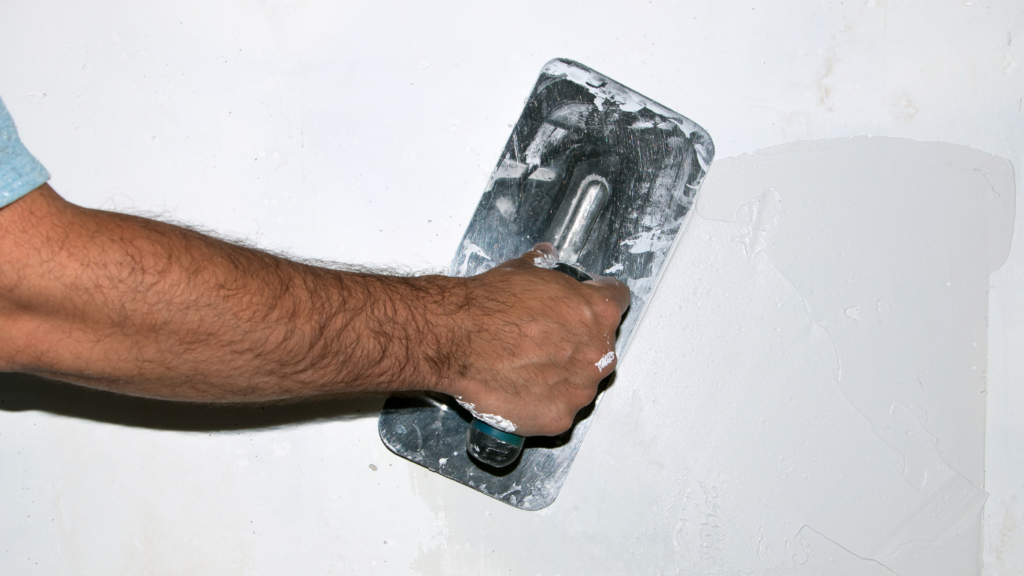
When You Know It Is Ready for Paint
Once the plaster has dried fully, the next step is a mist coat. This is a thin, watered-down layer of paint that soaks into the surface and creates a sound base for the final coats. Without this step, fresh plaster can absorb too much paint too quickly, leaving patchy results. Clients who ask how long does plaster take to dry before you can paint it are often surprised to learn that the preparation before decorating is just as important as the plastering work itself.
Our teams complete plastering to an exceptionally high standard, but the finish you see after painting depends partly on how the surface is treated afterwards. With the right drying time and proper mist coat, the final result is smooth, even and built to last. Fullers Plastering has even won awards for the quality of our internal finishes, including the British Gypsum Smoothy of the Year, which reflects our commitment to workmanship at each stage.
How Different Materials Affect Drying
One aspect that often goes unnoticed is the material behind the plaster. Lime plaster, for example, is commonly used in period properties and must be allowed to breathe during the drying process. Gypsum plaster behaves differently and is typically used in newer homes and commercial buildings.
Fullers Plastering has specialist teams for lime work, traditional plastering, dry lining and metal frame ceilings, allowing us to tailor our work to each project. When clients ask how long plaster takes to dry before you can paint it, we always explain how their specific materials influence the final timeline. Experience with both modern and traditional systems allows us to manage expectations and deliver results that meet the highest standards.
Common Problems When Painting Too Soon
Painting early can create unnecessary issues. These include discolouration, bubbling, peeling and visible patches where moisture has pushed forward into the paint layer. In some cases, this means the walls must be sanded back or even re skimmed, which adds time and cost.
Many of these problems occur simply because the drying period was rushed. Fullers Plastering takes the view that plastering is not just about applying the material but guiding the client through every stage until the finish is complete. Our advice is always designed to protect the quality of the work and ensure the decoration looks as good as the plaster beneath it.
The Fullers Approach to Quality
As a family run company with more than twenty years in the trade, Fullers Plastering has built a reputation for reliability and craftsmanship. We work on projects of all scales across the South East, from small domestic rooms to large developments, commercial refurbishments, heritage buildings and bespoke moulding installations.
Understanding how long does plaster take to dry before you can paint it is just one part of the service. We provide guidance from the first enquiry right through to completion, offering clarity, communication and a genuine commitment to quality. With more than forty skilled tradespeople and dedicated teams for plastering, dry lining, rendering, screeding and mouldings, we ensure every stage of a project is managed with care.
How Long Does Plaster Take to Dry?
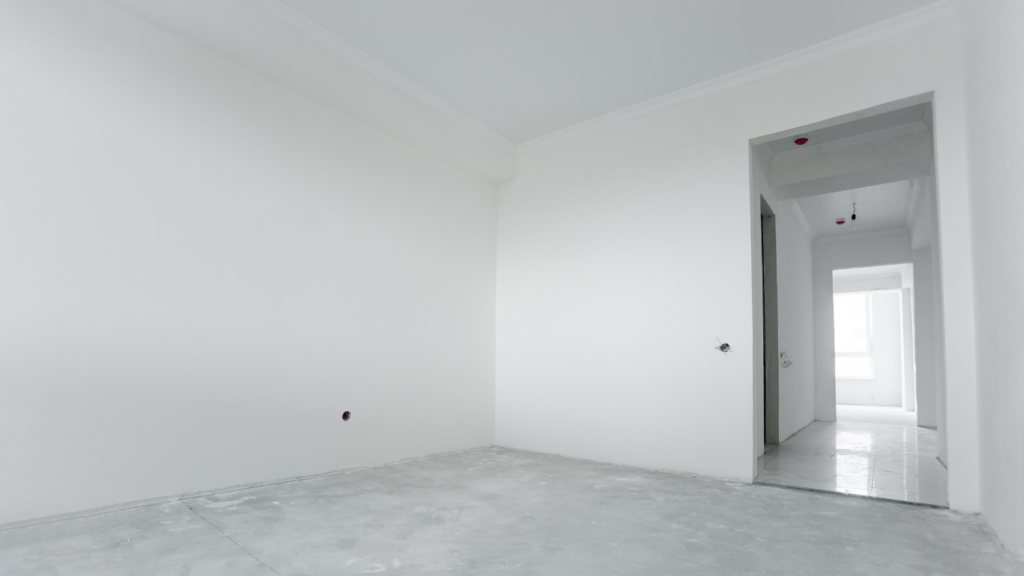
So, how long does plaster take to dry before you can paint it? Fresh plaster should always be left long enough to dry naturally, and the time needed varies depending on the job. If in doubt, wait until the colour is even and the room has had plenty of gentle ventilation. For personalised advice and plastering carried out to the highest standard, Fullers Plastering is here to help across Brighton, London and the wider South East.
Contact us today at 01273 686 368 or info@fullers-plastering.co.uk to discuss your project requirements. For more information, visit our website today.