
Can Damaged Plaster Cornice Be Repaired?
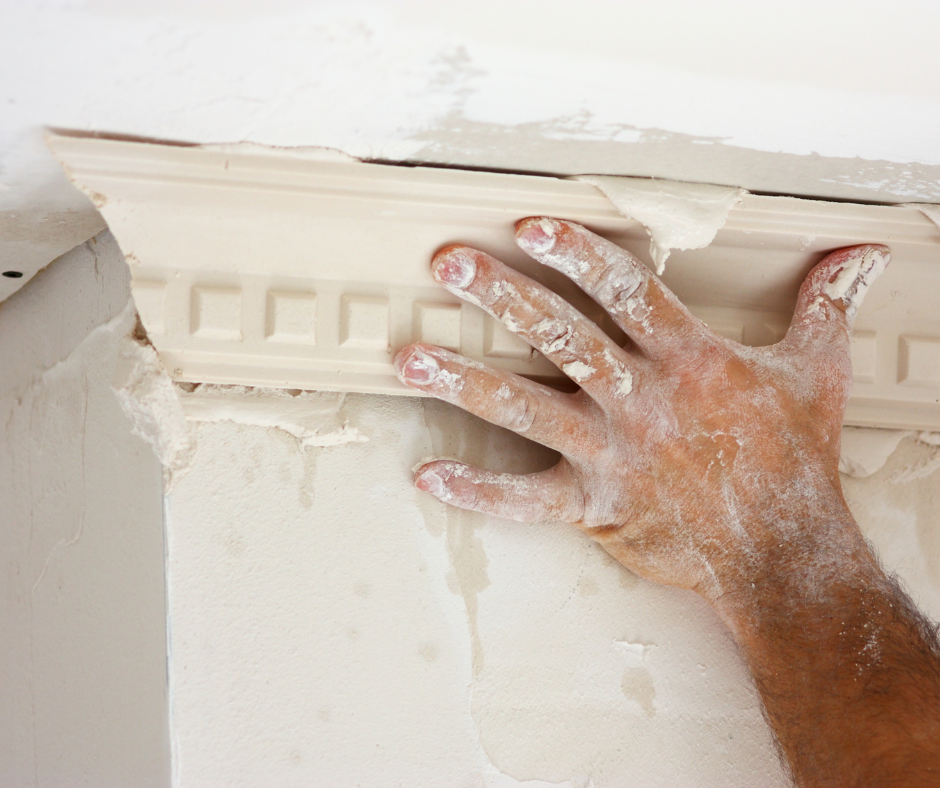
Do you have an older property that maybe has some pretty cornices and coving? If you have just moved in or are doing some redecorating, and have noticed a crack, chip or missing section, then it can be a worry about replacing the whole thing. So can damaged plaster cornice be repaired? In many cases, it can. Small areas may be repaired in place, while sections that cannot be retained may be removed and replaced with a new piece cast to match the existing pattern. The cause and extent of the damage must be assessed first, and any active leak should be resolved before repairs begin. For a listed building, it is sensible to check with the local planning authority whether listed building consent is required.
When Is a Small Repair Enough?
If the damage is limited to a chip, narrow crack or short missing area, it may be possible to repair only that part. The surrounding cornice should be checked to make sure it is secure and to identify the cause.
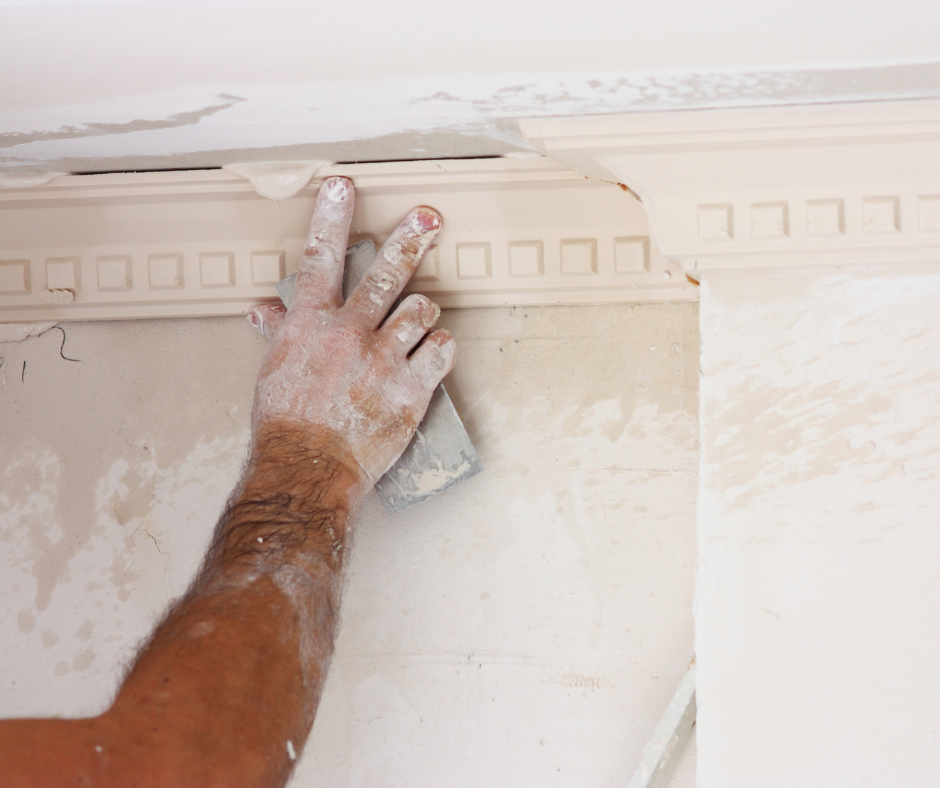
Small gaps may be filled and shaped to match the existing profile. Missing decorative detail may require a newly cast section, while loose cornice can sometimes be refixed if the original plaster remains sound.
Layers of paint can also obscure the original detail without damaging the cornice itself. Careful removal may reveal the pattern underneath, but it should be tested on a small area first. Extra care is needed in older properties because previous paint layers may contain lead.
When Do Sections Need Replacing?
Replacement may be needed where the plaster is loose, crumbling, extensively damaged by water or missing across a longer section. A hollow sound can indicate that the cornice has lost its bond, but its condition should be inspected before deciding what needs to be removed.
Any underlying cause, such as an active leak or movement, must be dealt with first. Filling or skimming over unstable plaster will not secure it again.
Only the affected section may need to be removed. It can then be taken back to sound material and replaced with a new section made to match the existing profile. The exact method will depend on the construction and detail of the cornice.
How Is an Existing Cornice Pattern Copied?
If a standard cornice does not match the original, an undamaged section can be used as a reference. This allows the shape, size and decorative details to be reproduced more accurately.
A simpler profile may be run using a template shaped to match the existing cornice. More detailed or repeated patterns may require a mould to be taken from a sound section, with replacement pieces then cast in a workshop. The method will depend on the design, condition and length being replaced.
Fullers Plastering has its own workshop and offers a matching service for clients who want to retain an existing design. Fullers Plastering produces bespoke plaster mouldings using traditional methods, including cornices, ceiling roses and other decorative features.
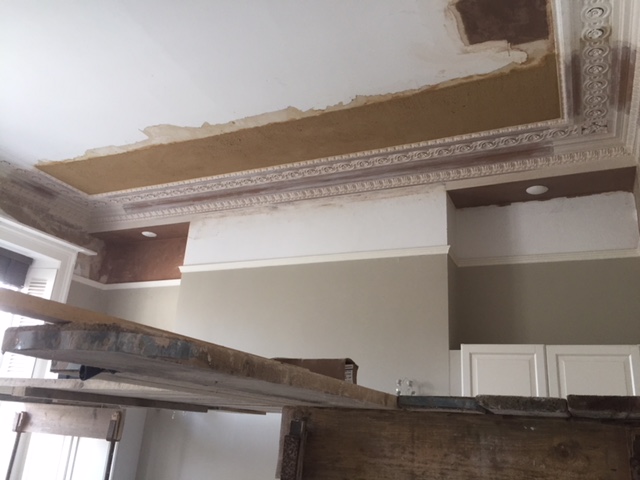
What Causes Damage to Plaster Cornice?
Cracks
Fine cracks can appear where the cornice meets the wall or ceiling. Some are limited to the surface, but cracks that widen, return after filling or appear alongside loose plaster need closer inspection.
Several issues can cause cracking, including movement, moisture and a loss of adhesion. The cause should be identified before the cornice is repaired.
Leaks
Water can stain, soften and weaken plaster cornice. Depending on its construction, moisture may also affect the supports or fixings behind it.
The source of the leak must be repaired and the area allowed to dry before the condition of the cornice is assessed. Any plaster that remains loose or weakened may need to be removed.
Electrical and Building Work
Installing cables, changing light fittings or opening a ceiling can damage nearby cornice. Sections may be chipped, cut or removed to provide access.
If electrical or building work is planned, it helps to decide beforehand how the cornice will be protected and who will repair any affected sections. An undamaged part of the original can also be recorded or copied if replacement pieces may be needed.
Repairing Cornice in Listed and Period Properties
Listed status covers the interior as well as the exterior of a building. Original cornice and ceiling roses may contribute to its special architectural or historic interest.
Small like-for-like repairs may not require listed building consent, but listed building consent is required if the work will affect the building’s special architectural or historic interest. If there is any uncertainty, the local planning authority’s conservation officer should be contacted before original plasterwork is removed. Carrying out work that requires listed building consent without obtaining it is a criminal offence.
In an older property that is not listed, the existing materials and construction should still be assessed before repairs begin. This helps determine how the damaged section can be repaired or matched without unnecessarily removing the surrounding cornice.
Does the Whole Room Need Replacing?
Damage to one section does not automatically mean all the cornice in the room must be replaced. A local repair may be possible if the surrounding plaster is secure and enough of the original pattern remains to create a match.
Replacing a longer run may be considered when the damage is widespread, much of the cornice is loose or several previous repairs do not match. A surviving section can sometimes be used as the reference for a mould, although it must contain enough of the pattern to be copied accurately.
Discussing Cornice Repair with Fullers Plastering
The cause of the damage, the condition of the surrounding plaster and any listed building requirements should be established before work begins.
Fullers Plastering is a family-run business with more than 20 years of experience and works across Sussex, the South East and London. Fullers Plastering makes handmade plaster mouldings in its own workshop and offers a matching service for existing designs. If you are wondering, “Can my damaged plaster cornice be repaired?”, call 01273 686 368, email info@fullers-plastering.co.uk or contact Fullers Plastering to discuss the work.
Frequently Asked Questions
Will a Repaired Section Stand Out? The aim is to match the existing shape and detail as closely as possible. The final appearance will depend on the condition and complexity of the original cornice. Decorating the repaired section and surrounding cornice can help create a more consistent finish.
How Long Does Cornice Repair Take? This depends on the extent of the damage and the repair method. A small local repair may take less time than work requiring a mould and replacement sections to be produced in a workshop. The likely timescale should be confirmed after the cornice has been assessed.
When Can Repaired Cornice Be Painted? New plaster must be completely dry before it is decorated. Drying time will depend on the depth of the repair, the materials used and conditions in the room. Follow the plasterer’s advice and the instructions provided by the paint manufacturer.
What If the Original Pattern Is No Longer Clear? An undamaged section may provide enough detail to reproduce the pattern, but it must include a complete part of the design. Cornice in another room or old photographs may also provide a reference. If no suitable example remains, an exact match may not be possible and a replacement profile may need to be selected. Listed building requirements should be checked before making this change.